INJURY PREVENTION
⚠️ The Challenge
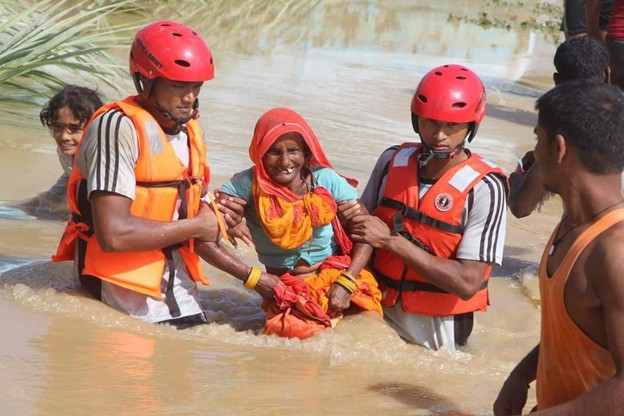
Nepal is one of the most disaster-prone countries in the world. In low-lying and densely populated regions such as Madhesh Province, communities face recurring floods, fire outbreaks, heatwaves, cold waves, and public health emergencies.
Fragile infrastructure, poor drainage systems, and limited emergency preparedness amplify the impact of disasters. Vulnerable populations—including women, children, the elderly, and persons with disabilities—are disproportionately affected.
Road traffic injuries also pose a growing public health challenge. Inadequate road safety awareness, weak enforcement of traffic regulations, and limited access to first aid and emergency services contribute to preventable injuries and fatalities.
🛠️ Our Approach
BWSN works with communities, youth groups, and local governments to reduce disaster and injury risks, enhance preparedness, and strengthen emergency response systems.
Our approach emphasizes community-led disaster risk reduction, awareness building, and inclusive preparedness planning to ensure timely and effective response during emergencies.
🧯 Key Interventions
- Conducting Community-Based Disaster Risk Reduction (CBDRR) training and mock drills
- Training youth and community members in first aid, basic life support, and emergency response
- Providing first aid kits, rescue equipment, and safety education materials
- Developing early warning systems in coordination with local authorities and meteorological services
- Disseminating IEC materials on injury prevention, household safety, and disaster preparedness
- Supporting emergency response including shelter, clean water, food, psychosocial care, and protection services
- Promoting road safety awareness through campaigns, advocacy, and stakeholder engagement
🌍 Your Impact
Your support helps save lives before, during, and after disasters. It enables communities to prepare for emergencies, respond effectively, and recover with dignity.
Together, we can reduce risk, prevent injury, and build safer, more resilient communities across Nepal.